That the Animal Welfare Committee will inquire into and report on the treatment and the cultural and ecological significance of dingoes in National Parks in New South Wales.
This is an important step towards ensuring the cultural significance of dingoes is reflected in future legislation and management. Your voice is important.
Cultural Custodians Submission Guide:
Cultural Significance of dingoes.
NSW Parliamentary Inquiry into the Management of Dingoes in National Parks.
This guide has been prepared by Dingo Culture and Defend the Wild to support Cultural Custodians who wish to make a submission to the NSW Parliamentary Inquiry into the management of dingoes in National Parks. This guide outlines how you may wish to share information on the Cultural Significance of dingoes. You can find information addressing all other Terms of Reference in our general submission guide.
Your voice, knowledge and lived experience are vitally important. This Inquiry is an opportunity for Cultural Custodians to speak about the cultural significance of dingoes, the impacts current management is having on Country, and the need for dingo management to better reflect First Nations knowledge, lore and custodianship.
Speaking from your experience, knowledge and connection to Country is extremely valuable.
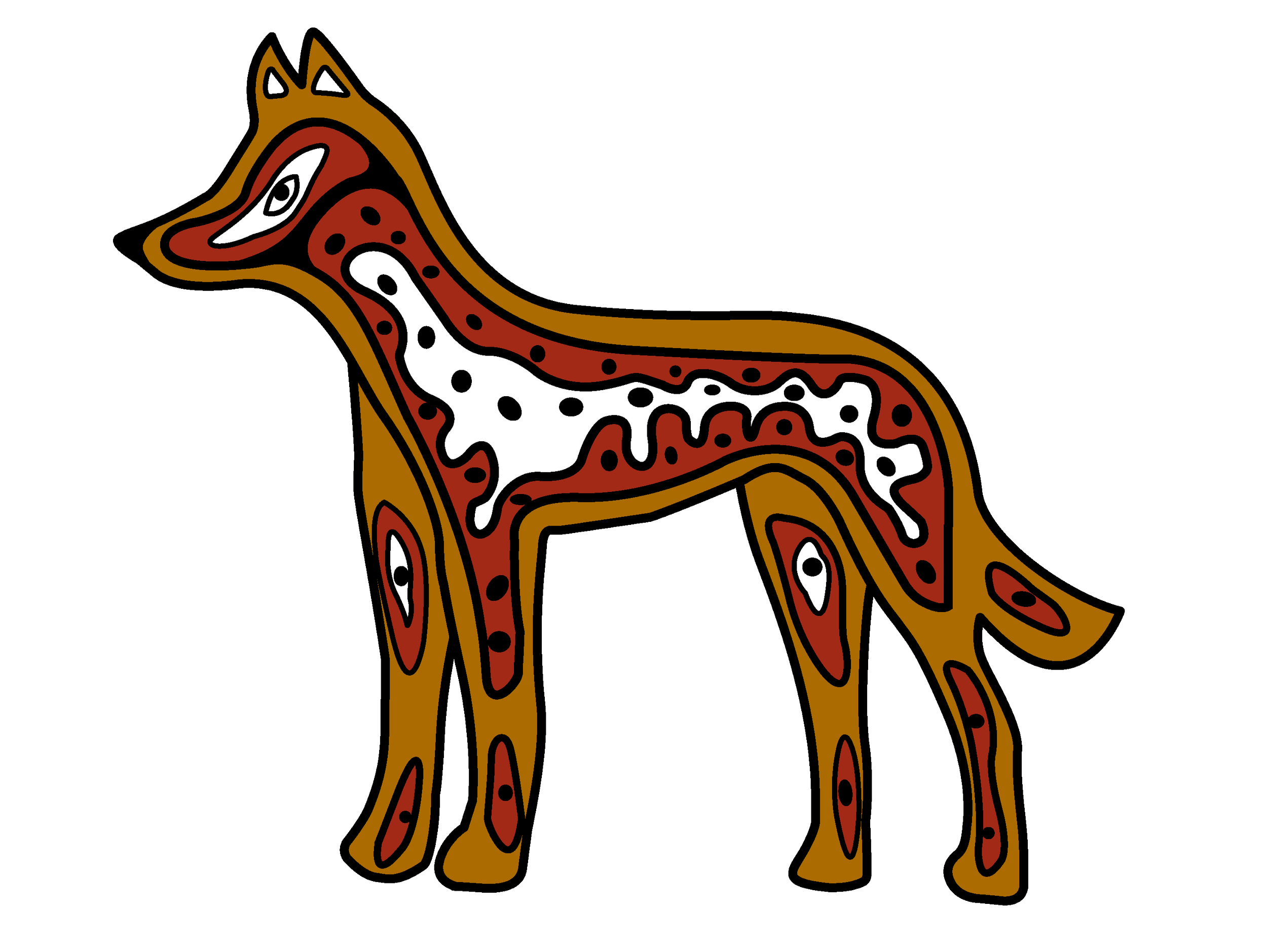
Design: Sonya Grant, Dingo Culture.
Key themes you may wish to include in your submission.
You can write about anything important to you, but some key themes may include:
Support for protecting dingoes in National Parks
The cultural significance of dingoes on your Country
Cultural stories, knowledge or responsibilities connected to dingoes (that are culturally appropriate to share)
The role dingoes play in healthy Country
Impacts of poison baiting, trapping or shooting on your Country
Impacts of dingo removal on cultural practice and cultural wellbeing
Concerns about current government management practices inside National Parks
The importance of embedding Cultural Custodians in environmental legislation and management
The importance of maintaining healthy dingo family groups and pack structures
The relationship between dingoes, biodiversity and healthy ecosystems
The need for co-management and Indigenous-led management approaches
Using the National First Nations Dingo Declaration.
The First Nations Dingo Declaration recognises dingoes as:
A culturally significant native animal
A being connected to Country, kinship and lore
An important part of healthy ecosystems
A species that has been harmed through colonisation and ongoing lethal control
Advocating for dingoes to be removed from the definition of ‘wild dog’
A species that should be protected and managed with Cultural Custodians involved in decision making and management
You may wish to refer to these points within your submission in your own words and from your own cultural perspective.
Example Submission Structure.
1. Introduce yourself and your connection to Country
You may wish to include:
Your Nation or cultural identity
Your role as an Elder, ranger, knowledge holder or community member
Your connection to Country
Any experience you may have observing dingoes on Country
Example:
I am a ________ Cultural Custodian, and have lived/worked on my Country. I hold important knowledge on dingoes that has been passed down from my Elders. Dingoes have always been an important part of our cultural knowledge and understanding of healthy Country.
2. Speak about the cultural importance of Dingoes
You may wish to speak about:
The spiritual or cultural significance of dingoes
Stories or teachings connected to dingoes (if culturally appropriate to share)
Dingoes as kin or teachers
Cultural responsibilities to protect dingoes
How dingoes are viewed within your culture
Example:
Dingoes are not viewed as pests within our culture. They are Boss of Country and play a vital role in maintaining balance within the environment. Dingoes are woven into stories, art, Lore, customs and dance. Songlines connect us with other Cultural Custodians right across the continent.
3. Speak about dingoes and healthy Country
You may wish to speak about:
Dingoes suppressing introduced predators like foxes and cats
Dingoes regulating kangaroos
Dingoes eradicate introduced goats
Changes you have observed where dingoes have been removed
Observations from ranger work, camera trapping or cultural monitoring
The importance of healthy dingo family groups
Example:
On our Country, where dingoes remain present and undisturbed, we see healthier ecosystems and fewer introduced predators. This reduces pressure on other wildlife that are important to our Country.
4. Speak about the impacts of current management on your culture and Country
You may wish to discuss:
1080 poison baiting of dingoes
Trapping and shooting of dingoes
Welfare concerns
Cultural impacts of killing dingoes on Country
Impacts on dingo family groups and pack structures
Lack of consultation with Cultural Custodians
Example:
Current killing programs inside National Parks are disrupting dingo family groups and harming an animal that holds cultural significance on our Country. [You could add how this makes you feel and how this impacts your culture here].
5. Recommendations
You may wish to call for:
An end to killing of dingoes across New South Wales National Parks and legislative protection for the species
Stronger involvement of Cultural Custodians in decision-making around dingo management
Indigenous-led dingo management approaches in National Parks
Recognition of dingoes as culturally significant animals
Support for landholders neighbouring National Parks to successfully implement non-lethal coexistence strategies.
Example:
Current killing programs inside National Parks are disrupting dingo family groups and harming an animal that holds cultural significance on our Country. [You could add how this makes you feel here].
Important things to remember.
Your lived experience matters.
Cultural input is vital to this inquiry process.
Short submissions are still important.
You can speak from any personal experience and observations.
You can include stories about Country, wildlife and environmental change.
You can write in your own words and your own style.
You can include anything that makes sense to you regarding dingoes in New South Wales National Parks.
This Inquiry presents an opportunity for Cultural Custodians to help shape a future where dingo management better reflects ecological science, cultural knowledge, and respect for Country.